(JEWISH GROUP) How yizkor books bring the sights, sounds, and even smells and tastes of lost Jewish shtetls back to life
Rye bread, sour milk, and maybe some herring — for a poor Jew, these were the makings of a meal. The Jews I have in mind were residents of the small market towns, or shtetls, once strewn across Eastern Europe. Shtetls had their token elites, the grain and lumber brokers who ate white bread with butter. For the vast majority, however, the bread was black and there was no butter.
I’ve spent the last few years reading about these towns for Once There Was a Town, a book I’ve written about yizkor books and the world they portray. But my interest is more than academic; my father was born in one of these towns, and I’ve been hearing its stories since I was a kid.
The word yizkor is a form of the Hebrew verb “to remember.” Literally translated, it means “may he remember.” A yizkor book is a book of remembrance.
While the yizkor book tradition goes back to medieval times, those I’ve been studying were written after the Holocaust as a way to memorialize the communities destroyed by the Nazis and their facilitators. Anthologies of a sort, these books were written by both Holocaust survivors and emigrés from before the war, all from the same shtetl, working together to document the ways of life characteristic of their fallen hometowns.
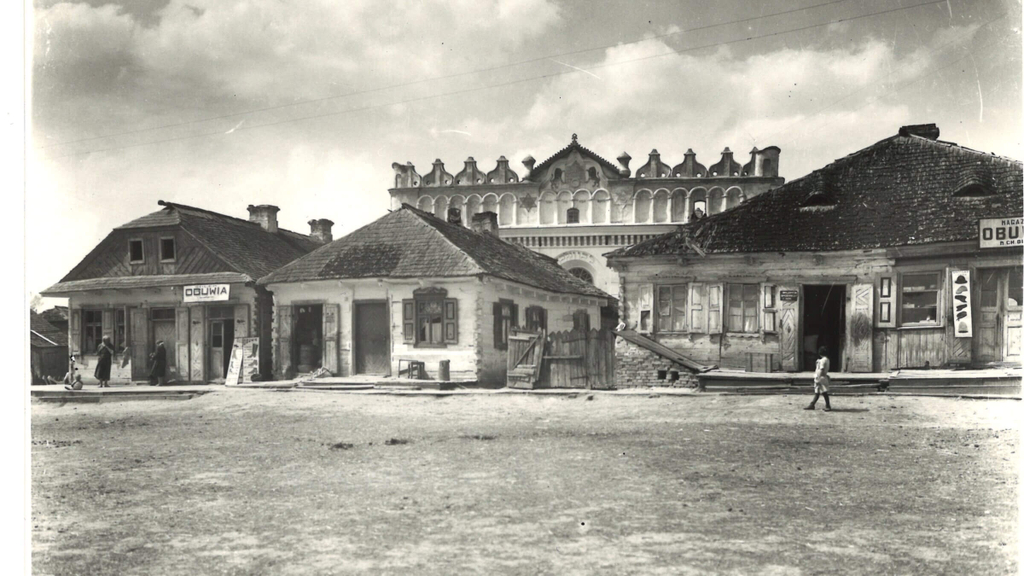
An image of the author’s ancestral shtetl — Luboml, Poland. Courtesy of Jane Ziegelman
more...

 = new reply since forum marked as read